From Scientific Research to the Laboratory: Students Continue Their Learning Journey at GIOSTAR Mexico
A new chapter in the collaboration between GIOSTAR Mexico and UVM Campus Mexicali brings university students into the laboratory, connecting academic research with practical experience in regenerative medicine and cellular therapies.
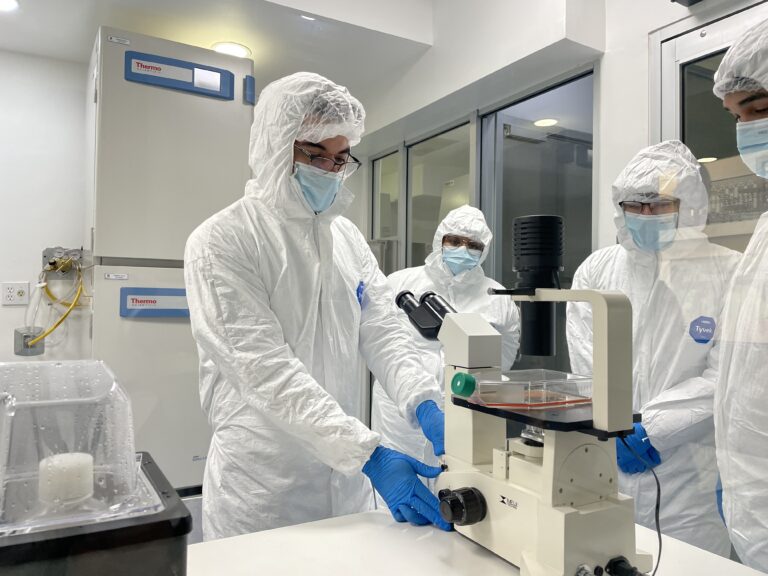
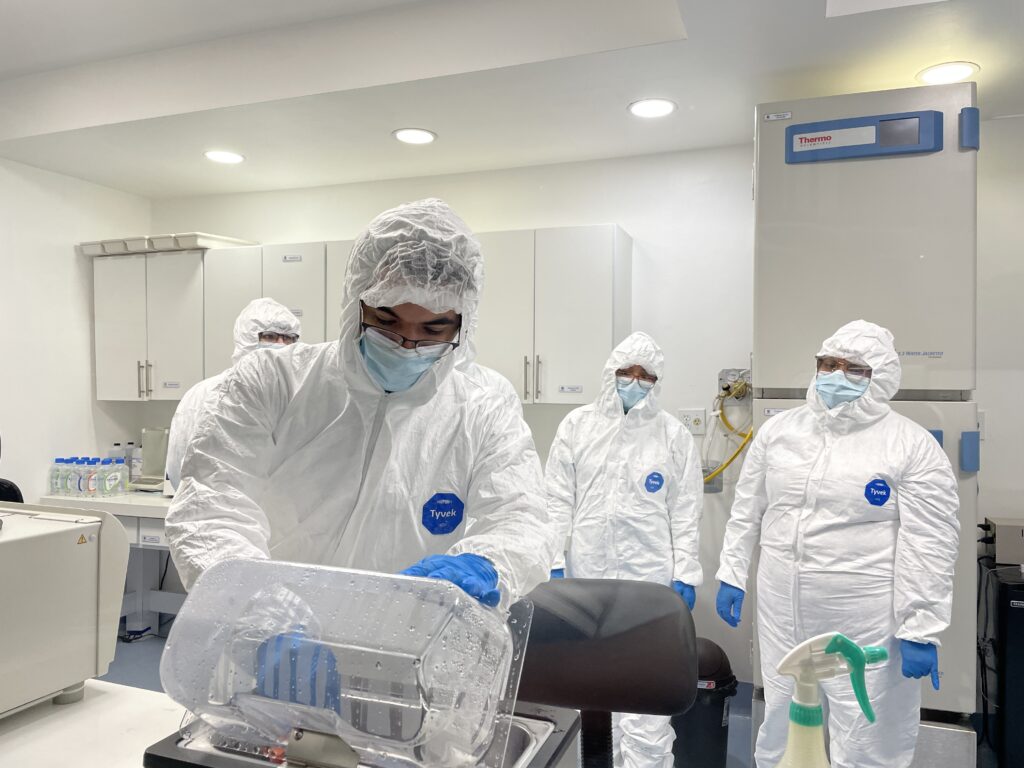
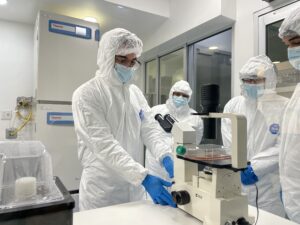
On November 13th, 2026, students from University of the Valley of Mexico (UVM), Campus Mexicali, visited GIOSTAR Mexico’s laboratory in Los Algodones, Baja California, to participate in practical learning activities and gain a closer look at the scientific environment behind cellular medicine.
The visit marks another step in an academic collaboration that began with a research project examining the existing clinical evidence on Natural Killer (NK) Cell Therapy for patients with solid tumors.
For the participating students, the experience offers an opportunity to connect their academic knowledge with laboratory practices and better understand the professional environments where scientific knowledge is applied.
For GIOSTAR Mexico, welcoming these future professionals reflects an ongoing commitment to scientific education, collaboration, and the continued development of regenerative medicine.
Bringing Scientific Education Into the Laboratory
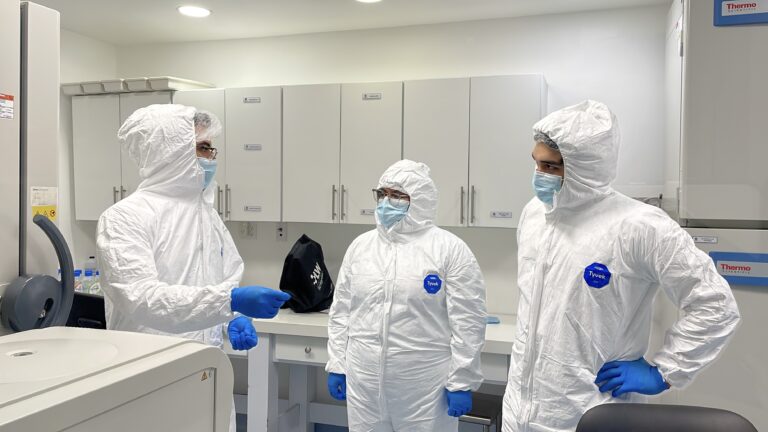
Studying scientific concepts in a classroom provides an essential foundation. Experiencing a professional laboratory environment offers a different perspective on how those concepts relate to daily scientific work.
During their visit to GIOSTAR Mexico’s laboratory in Los Algodones, the students had the opportunity to participate in practical learning activities and become more familiar with the environment in which cellular medicine professionals work.
This type of experience can help students develop a deeper understanding of laboratory operations, scientific procedures, quality considerations, and the responsibilities involved in working in a specialized medical field.
It also allows them to connect their academic preparation with potential career paths in biotechnology, regenerative medicine, laboratory science, and related healthcare disciplines.
For students preparing to enter these fields, exposure to a professional scientific environment can provide valuable context for their future education and career decisions.
Continuing a Collaboration That Began With NK Cell Research
Earlier this year, the students contributed to a scientific project led by M.C. Diana Esquivel, Chief Scientific Officer at GIOSTAR Mexico, alongside other participating researchers.
The project resulted in the publication of Efficacy of Adoptive Cell Therapy with Natural Killer Cells in Cases of Solid Tumors in the Journal of Oncology Research and Therapy on August 7th, 2026.
The systematic review aimed to gather, organize, and evaluate existing clinical evidence concerning the effects of adoptive NK Cell Therapy in patients with solid tumors, including lung, breast, and colorectal cancers.
For the participating students, contributing to the publication represented an important academic achievement and an opportunity to become involved in the scientific research process.
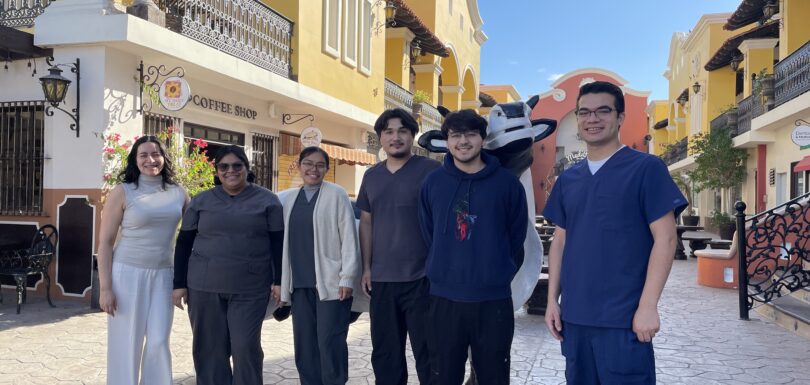
On September 22, 2026, UVM Campus Mexicali recognized the students for their contributions to the published research.
M.C. Diana Esquivel and Alejandro Gutierrez, COO at GIOSTAR Mexico, attended the recognition ceremony alongside university leadership.
Now, with their visit to the Los Algodones laboratory, the students are continuing their educational experience through direct exposure to a professional scientific setting.
The collaboration illustrates how academic research and practical learning opportunities can complement one another in preparing future professionals.
The Continued Importance of NK Cell Research in Cancer Care
The scientific publication that brought GIOSTAR Mexico and UVM Campus Mexicali together focused on an important area of cancer immunotherapy: the potential role of NK Cell Therapy in patients with solid tumors.
The review examined available clinical evidence to better understand reported outcomes, treatment approaches, and the limitations of existing research.
Its findings contribute to the broader scientific discussion surrounding NK Cell Therapy as a potential complementary approach to conventional cancer treatment.
Surgery, chemotherapy, radiation therapy, and other established cancer treatments remain essential components of oncology care. NK Cell Therapy offers an additional approach to cancer care that can complement conventional treatments, with its suitability determined through a personalized medical evaluation.
This complementary approach is important because cancer care often involves multiple treatment strategies coordinated according to the patient’s individual needs.
Can NK Cell Therapy Be Considered During Earlier Stages of Cancer?
Patients exploring additional treatment options may wonder whether NK Cell Therapy is relevant only when cancer has reached an advanced stage.
Patients do not necessarily need to wait until a terminal stage of cancer to seek a medical evaluation concerning NK Cell Therapy.
A consultation may take place earlier in the cancer care journey, allowing the medical team to review the diagnosis, disease stage, current treatment plan, and available clinical evidence.
For patients interested in learning more, the first step is a comprehensive medical evaluation to understand whether this complementary approach may be relevant to their circumstances.


Learn More About Cellular Therapies at GIOSTAR Mexico
Your cancer care journey deserves a personalized approach, with options that consider your diagnosis, medical history, and individual needs.
At GIOSTAR Mexico, NK Cell Therapy is available in Los Algodones, Cancun, and Playa del Carmen as a complementary approach to conventional cancer treatments. Our medical team can help you understand the treatment process, review your medical history, and determine whether this therapy may be appropriate for your individual circumstances.
Our medical team can help you learn more about NK Cell Therapy, discuss the evaluation process, and understand whether further consultation may be appropriate for your individual situation.

From Scientific Research to the Laboratory: Students Continue Their Learning Journey at GIOSTAR Mexico
Read More »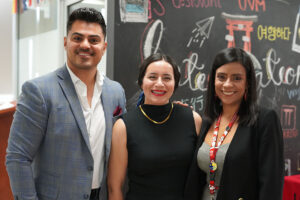

Exploring the Potential of NK Cells: New Research Brings Science and Education Together | GIOSTAR Mexico
Read More »