
Interest in stem cell treatment Mexico for Americans has grown steadily in recent years as patients travelling from the U.S. explore regenerative medicine options beyond domestic availability. For many, the decision involves researching safety standards, physician oversight, regulatory structures, and overall cost considerations before traveling abroad.
While stem cell therapy is not a cure and remains a developing area of regenerative medicine, some Americans seek treatment in Mexico due to accessibility, structured laboratory facilities, and individualized medical review processes.
If you are considering regenerative therapy abroad, understanding how clinics operate, how safety is maintained, and how candidacy is determined is essential before making a decision.
Why Do Americans Choose Stem Cell Therapy in Mexico?
There are several reasons why Americans choose stem cell therapy in Mexico.
Domestic access may be limited to specific approved applications or clinical trial settings. This can make access difficult for patients exploring regenerative options for orthopedic, autoimmune, inflammatory, or neurological conditions.
Mexico has developed specialized regenerative medicine centers operating under established national regulatory oversight. For patients travelling from the U.S., additional factors may include:
-
- Geographic proximity.
-
- Short travel times.
-
- Dedicated international patient coordination.
-
- Structured laboratory environments.
-
- Personalized medical screening.
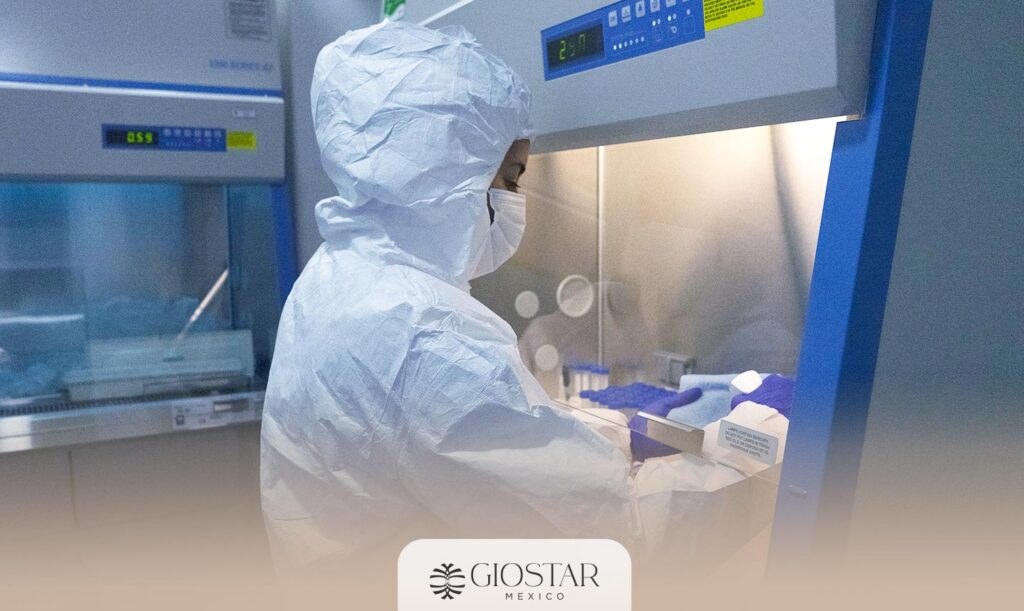
When researching stem cell clinics in Mexico for international patients, Americans should prioritize documented laboratory oversight, transparent screening protocols, and physician-supervised administration. Regenerative therapy involves biological materials and must be conducted in controlled environments following regulatory standards. Proper screening reduces risk and improves appropriate case selection.
Stem Cell Treatment Mexico for Americans Cost Considerations
One of the most searched questions is:
“What is the stem cell treatment Mexico for Americans cost?”
Treatment costs in Mexico often differ from those in the United States due to operational structure, facility models, and regulatory pathways. However, cost varies significantly depending on:
-
- The condition being addressed.
-
- The number of treatment sessions.
-
- The type of cellular protocol recommended.
-
- The patient’s medical history.
Because regenerative medicine is highly individualized, pricing can only be determined after a physician review.
For American patients seeking financial flexibility, GIOSTAR Mexico offers payment solutions. At GIOSTAR Mexico, financing options are available through Affirm and eFinancing Solutions, allowing qualified patients to explore manageable payment plans.
Cost should never be the only deciding factor. Safety, laboratory standards, physician supervision, and candidacy screening must remain the primary considerations.
Safe Stem Cell Therapy Mexico for American Patients: What to Look For
Safety is the most important factor when evaluating safe stem cell therapy Mexico for American patients.
Before proceeding with treatment abroad, U.S. patients should verify:
-
- Regulatory oversight (such as COFEPRIS in Mexico).
-
- In-house laboratory processing.
-
- Sterile protocols and quality control procedures.
-
- Structured patient screening.
-
- Physician-supervised administration.
-
- Transparent risk discussion.
Responsible clinics conduct detailed medical evaluations to assess overall stability, contraindications, and realistic expectations before approving treatment. These safeguards help reduce preventable risks associated with improperly processed cellular products or insufficient patient screening.
Patients are encouraged to request documentation, ask direct safety questions, and confirm how cellular products are processed, stored, and administered.
Stem Cell Clinics in Mexico for US Patients – How to Evaluate Providers
When comparing stem cell clinics in Mexico for US patients, it is helpful to ask:
- Is there a comprehensive medical screening process?
- Are treatment protocols personalized or standardized packages?
- Is laboratory processing conducted under regulatory oversight?
- Are risks and limitations clearly discussed?
- Is follow-up communication available after returning home?
Regenerative medicine is a medical procedure and should be approached with the same level of due diligence as any other healthcare decision.
Clinics that emphasize individualized evaluation rather than guaranteed outcomes tend to reflect responsible clinical standards.
What Conditions Do Americans Travel to Mexico for Stem Cell Treatment?
Each condition requires personalized assessment to determine whether regenerative therapy may be medically appropriate.
Americans travel to Mexico for stem cell treatment for a variety of conditions currently being studied in regenerative medicine, including:
- Orthopedic injuries and degenerative joint conditions.
- Autoimmune and inflammatory disorders.
- Neurological conditions under investigation.
- Chronic inflammatory states.
It is important to understand that stem cell therapy remains a supportive regenerative approach. Research continues to evaluate how immune modulation, inflammation reduction, and cellular signaling may influence certain biological processes.
Stem cell therapy is designed to support the body’s regenerative processes, with results varying significantly between individuals.
Stem Cell Treatment Mexico Travel Packages – What Is Typically Included?
Some patients researching stem cell treatment Mexico travel packages are looking for logistical support during their visit.
While medical evaluation should always come first, coordinated travel support may include:
- Airport transportation assistance.
- Hotel coordination.
- Structured treatment scheduling.
- On-site patient support.
- Post-treatment communication planning.

What to Expect During the Treatment Process
Although protocols vary, most regenerative programs follow a general process:
1. Comprehensive Medical Evaluation
Medical history, diagnostic records, and current health status are reviewed to determine eligibility.
2. Personalized Protocol Development
If appropriate, a tailored treatment plan is created based on regenerative medicine principles.
3. Laboratory Processing
Cellular products are prepared in controlled laboratory environments under regulatory oversight.
4. Administration
Treatment is administered by trained medical professionals using appropriate clinical methods.
5. Monitoring and Follow-Up
Patients are monitored during their visit and provided with follow-up guidance after returning home.
6. Personalized Logistics Coordination
Our specialized team provides personalized logistical support, assisting with scheduling, travel coordination, accommodations, and ongoing communication to ensure a smooth and organized treatment experience.
Eligibility is determined only after physician review.
Recovery and Realistic Expectations
Patients considering stem cell treatment Mexico for Americans often ask about recovery and results.
In many cases:
-
- Procedures are minimally invasive.
-
- Patients resume normal activities relatively quickly.
-
- Changes, if they occur, may develop gradually over weeks or months.
Results are not guaranteed. Improvements vary depending on the condition, overall health profile, age, and biological response.
Stem cell therapy is offered as a complementary approach within a comprehensive medical plan, focused on supporting overall function and recovery.
Is Stem Cell Treatment in Mexico Right for You?
Choosing regenerative therapy abroad is a significant medical decision. Before proceeding, patients should:
-
- Review medical records with a qualified physician.
-
- Discuss realistic expectations.
-
- Understand potential risks.
-
- Confirm regulatory compliance.
-
- Evaluate both safety standards and cost.
A thorough medical evaluation is the first and most important step in determining candidacy.
Who May Not Be a Candidate for Stem Cell Treatment in Mexico?
Many Americans explore regenerative options, and qualification for stem cell treatment in Mexico depends on a personalized medical assessment.
Treatment may not be recommended for individuals with:
-
- Active infections.
-
- Uncontrolled chronic illness.
-
- Certain neurological instability.
-
- Severe systemic health risks.
-
- Contraindications identified during medical screening.
Eligibility is determined only after comprehensive physician review. Responsible clinics prioritize appropriate patient selection over generalized acceptance.

Treating American Patients at GIOSTAR Mexico
GIOSTAR Mexico works with international patients seeking regenerative medicine programs delivered within controlled clinical environments. Our process is designed to prioritize medical review before travel decisions are finalized.
Our team provides:
-
- English-speaking medical coordination.
-
- Pre-travel case evaluation and physician review.
-
- Structured scheduling and clinical planning.
-
- Ongoing post-visit communication and follow-up guidance.
American patients undergo detailed medical screening prior to acceptance to ensure candidacy is appropriately established. Treatment is scheduled following a physician evaluation and safety review.
Frequently Asked Questions About Stem Cell Treatment Mexico for Americans
Is stem cell treatment in Mexico safe for Americans?
Safety depends on clinic standards, regulatory oversight, laboratory controls, and physician supervision. Responsible providers follow screening and sterile processing protocols to reduce procedural risk.
Why do Americans travel to Mexico for stem cell therapy?
Americans may seek access to regenerative therapies not widely available domestically, shorter wait times, proximity to the U.S., and organized international patient coordination.
How much does stem cell treatment Mexico for Americans cost?
Costs vary depending on the condition and protocol. Final pricing is determined after medical evaluation. Financing options through Affirm, Citerra, and eFinancing Solutions are available for qualified patients.
Are stem cell clinics in Mexico regulated?
Qualified clinics operate under COFEPRIS oversight in Mexico. Patients should confirm regulatory compliance, laboratory standards, and physician involvement before proceeding.
COFEPRIS is Mexico’s federal regulatory authority for health products and medical facilities, functioning in a role comparable to national health regulatory agencies in other countries like the FDA in the U.S.
How long do Americans stay in Mexico for stem cell treatment?
Length of stay varies based on the protocol recommended. Some treatment plans require only a short visit, while others may involve multiple days of treatment administration and monitoring.
Request a Personalized Medical Evaluation
If you are exploring stem cell treatment Mexico for Americans, the process should begin with a confidential medical review.
Our physicians evaluate medical history, condition details, and individual health factors before determining whether regenerative therapy may be appropriate. During this consultation, patients receive transparent information regarding:
-
- Candidacy.
-
- Protocol considerations.
-
- Safety standards.
-
- Treatment timeline.
-
- Cost and available financing options.
Choosing stem cell treatment Mexico for Americans requires medical evaluation, realistic expectations, and careful safety review. Regenerative therapy should always begin with physician-guided screening to determine whether you are an appropriate candidate based on your medical history and current health profile.
If you are exploring treatment options abroad, the first step is a confidential medical review conducted by experienced regenerative medicine physicians. This evaluation allows you to receive transparent information about eligibility, safety considerations, protocol structure, and financial planning before making any travel decisions.
To begin the process, request a personalized medical evaluation
Stem cell therapy is considered a supportive regenerative approach. It is not a cure and does not replace conventional medical treatments. Outcomes vary between individuals. All treatment decisions are made following comprehensive medical evaluation and physician approval.