
Chronic pain affects millions of people in the U.S. and often continues despite medication, physical therapy, or lifestyle changes. For many, the frustration is not only the pain, but the lack of treatments that address why it persists.
Stem Cells Chronic Pain care has gained attention because it takes a different approach. In addition to addressing symptoms, stem cells are being studied for their potential to influence inflammation, tissue damage, and nerve dysfunction.
Can stem cell therapy play a role in chronic pain conditions such as back pain, arthritis, osteoarthritis, or nerve pain? This article explores how stem cells may impact different types and stages of chronic pain.
Have you ever thought about how daily life is like for someone with chronic pain?
Chronic pain is pain that lasts beyond normal healing or appears alongside an ongoing health condition. Over time, it can interfere with sleep, work, and daily activities.
This constant disruption often affects emotional health. Many people experience irritability, anxiety, or depression alongside physical pain, which increases the need for long-term care.
Chronic pain does not follow a single, fixed path. Clinicians describe its progression based on duration and biological changes in the body and nervous system.
Pain often begins as an acute response to injury or inflammation. At this stage, pain protects the body and usually improves as healing occurs. If pain lasts longer than expected, it may enter a persistent phase. Inflammation or tissue strain may continue, making pain more frequent and harder to manage.
Pain lasting longer than three to six months is considered chronic pain. This can happen when inflammation lingers, tissues weaken, or nerves keep sending pain signals. Over time, the nervous system may become overly sensitive, causing pain to feel stronger or spread to new areas, which makes relief harder to achieve.
As chronic pain advances, care often shifts from short-term relief to approaches that address underlying biological contributors.
What can you do?
Conventional chronic pain therapy focuses on symptom relief and functional support. Common treatments include medications that reduce inflammation or interrupt pain signals to the brain. Treatment plans may involve anti-inflammatory drugs, antidepressants, opioids, or nerve-targeting medications. The choice depends on the cause and type of pain.
Lifestyle adjustments also play a key role. Physical activity, stress levels, anxiety, age, and overall health can influence pain intensity and duration.
For joint, muscle, and connective tissue conditions, additional treatments may help. These include Platelet-Rich Plasma therapy, prolotherapy, and viscosupplementation for joint lubrication.
When pain persists for months, tissue changes and nervous system activity may continue driving discomfort. This limitation has increased interest in regenerative approaches, including stem cells.
Why Are Stem Cells Being Explored for Chronic Pain Care?
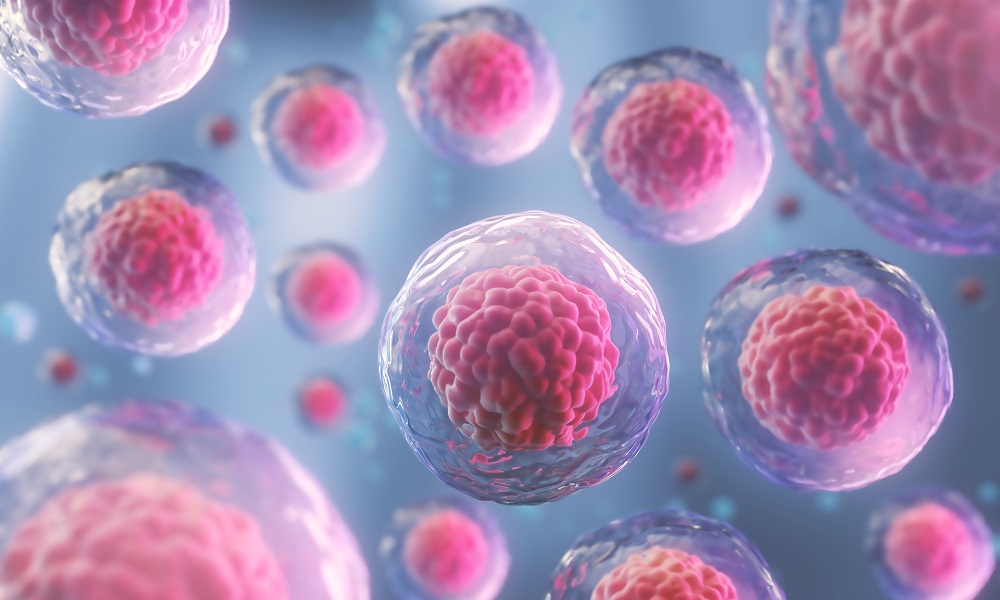
Stem cells are the body’s basic building blocks. They renew themselves and can develop into different cell types that support tissue repair. Stem cell therapy builds on this natural function. It aims to support the body’s ability to repair or renew damaged tissues, beyond only blocking pain signals.
As people age or develop chronic conditions, stem cell activity may decline. This reduced activity can limit natural healing and prolong pain.
Stem Cells Chronic Pain therapy focuses on regulating inflammation, supporting tissue health, and influencing abnormal pain signaling.
Care usually begins with a medical evaluation. Providers review diagnosis, pain history, imaging, and prior treatments.
To learn more about how treatment plans can be tailored to each individual, you can explore personalized stem cell therapy and how this approach is designed to support the body’s unique regenerative potential.
The table below highlights common pain types and the ways stem cell–based approaches may help address their underlying contributors.
Chronic Pain Types and Where Stem Cells May Make a Difference
| Chronic Pain Type | This Is How Stem Cells May Help |
| Back pain | Since it is caused by disc wear or muscle imbalances placid pressure on nerves, stem cells may help by supporting disc health, improving joint environment and promoting recovery of strained support tissues. |
| Osteoarthritis | Cartilage thins over time, reducing cushioning and increasing friction inside joints. Stem cells aid cartilage maintenance and improve joint lubrication. |
| Nerve pain | Damaged nerves send distorted pain signals. Stem cell therapy helps regulate nerve signaling and help healing around affected nerves. |
| Arthritis | It is caused by the immune system repeatedly activating inside the joint, causing pain. Stem cell chronic pain therapy helps rebalance immune activity and support joint stability. |
| Fibromyalgia | Since it is triggered by an overly sensitive nervous system amplifying pain signals, stem cells help regulate pain sensitivity and nervous system responses. |
| Migranes | Recurring headache cycles are caused by nerve sensitivity and blood vessel changes. Stem cells foster vascular balance and calmer nerve responses linked to migraine episodes. |
| Cancer pain | Stem cells support recovery of affected tissues and improve comfort related to treatment side effects like nerve irritation or tissue damage. |
| Visceral pain | Since it is caused by internal organs sending poorly localized pain signals due to irritation or dysfunction, stem cells support organ tissue health and help calm ongoing internal irritation. |
The takeaway is that, because stem cells may influence pain from different underlying causes, including inflammation and supporting tissue repair, growing evidence suggests stem cell therapy is a viable therapeutic approach for many orthopedic and musculoskeletal conditions.
GIOSTAR Mexico and chronic pain therapy
Choosing the right provider matters when exploring stem cell care. Mexico has become a leading destination for regenerative medicine, offering accessibility and advanced treatment options.
Giostar Mexico specializes in personalized stem cell therapy protocols. They offer care in modern facilities with experienced medical teams. Each plan is designed around the patient’s condition, medical history, and treatment goals.
Additionally, many patients consider accessibility and cost when exploring treatment abroad. Compared to the U.S., stem cell therapy in Mexico is often more affordable, while for Canadian patients it offers significantly shorter wait times and access to advanced, well-established medical care.
Giostar Mexico supports patients with coordinated care, including transportation assistance and clinic access in Los Algodones, Playa del Carmen, and Cancun. Stem Cells Chronic Pain therapy offers a regenerative approach to chronic pain that focuses on underlying biological processes. Learn more or book a consultation with Giostar Mexico to see if this approach may be right for you.
References
Chronic pain. (s. f.). Johns Hopkins Medicine. https://www.hopkinsmedicine.org/health/conditions-and-diseases/chronic-pain
Foster, M. (2023). Pathways through Persistent pain: Tips for managing Chronic pain. Mayo Clinic Health System. https://www.mayoclinichealthsystem.org/hometown-health/speaking-of-health/8-tips-for-managing-chronic-pain
How stem cell therapy can reduce your chronic pain. (2020). NuVation Pain Group. https://www.nuvationpain.com/how-stem-cell-therapy-can-reduce-your-chronic-pain/
Igwe, N., Patel, N. C., & Aijaz, T. (2023). Regenerative Therapy in Pain. NCBI. https://www.ncbi.nlm.nih.gov/books/NBK578202/
Kalra, R. (s. f.). Here’s what stem cell therapy can do for your chronic pain. PMC. https://www.painmedicineconsultants.com/blog/heres-what-stem-cell-therapy-can-do-for-your-chronic-pain
Non-Surgical chronic pain treatments: The advantages of stem cell therapy. (2025). Regenerative Institute Of Newport Beach. https://orthorepair.com/non-surgical-chronic-pain-treatments-the-advantages-of-stem-cell-therapy/
Padda, J., Khalid, K., Zubair, U., et al. (2021). Stem Cell Therapy and Its Significance in Pain Management. Cureus, 13(8), e17258. https://doi.org/10.7759/cureus.17258
Pain treatment using human stem cells a success. (2020). The University Of Sydney. https://www.sydney.edu.au/news-opinion/news/2020/01/24/pain-treatment-using-human-stem-cells-a-success.htmlStem cells: What they are and what they do. (s. f.). Mayo Clinic. https://www.mayoclinic.org/tests-procedures/bone-marrow-transplant/in-depth/stem-cells/art-20048117